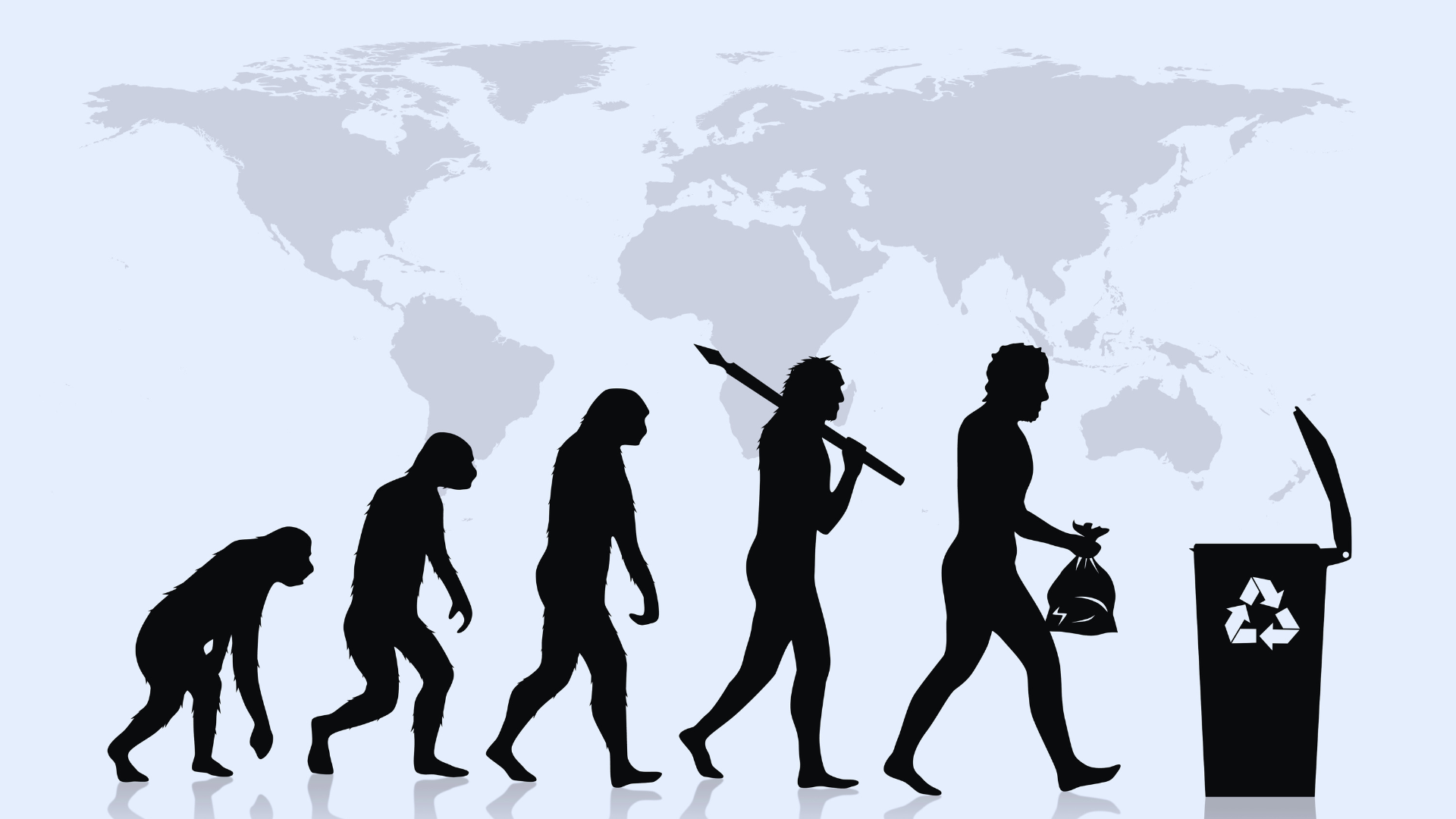
The science of evolution explains how species adapt and change over time through processes that include natural selection and genetic variation. This foundational theory of biological evolution, largely attributed to Charles Darwin, provides a framework for understanding the diversity of life on Earth. By examining how traits are passed down and modified across generations, evolution reveals the intricate relationships between organisms and their environments.
Darwin’s insights into natural selection highlight how advantageous traits increase an organism’s chances of survival and reproduction, shaping the course of evolution. Meanwhile, advances in genetics have further deepened scientists’ understanding of heredity and variation, illustrating the mechanics behind evolutionary processes. This combination of natural selection and genetic science offers powerful explanations for the complex tapestry of life.
Exploring the science of evolution not only illuminates the past but also informs current biological research, conservation efforts, and medicine. As humanity continues to face challenges such as climate change and biodiversity loss, the principles of evolutionary science remain crucial for addressing these issues and understanding the future of life on our planet.
Historical Perspectives and Development
The study of evolution has evolved significantly over time, shaped by various theories and discoveries. Key figures like Charles Darwin played pivotal roles in formulating foundational concepts, while earlier thinkers set the stage for these developments.
Darwin’s Contributions and ‘On the Origin of Species’
Charles Darwin’s seminal work, On the Origin of Species, published in 1859, introduced the idea of natural selection as a mechanism for evolution. He proposed that species evolve through a process where advantageous traits become more common in successive generations. Darwin’s observations during his voyage on the HMS Beagle led him to suggest that all living organisms share a common ancestor. His theories integrated findings from diverse fields such as geology and developmental biology, laying a robust framework for evolutionary theory.
Pre-Darwinian Theories and Lamarck’s Influence
Before Darwin, several scientists explored ideas related to evolution. Jean-Baptiste Lamarck proposed a theory of inheritance of acquired characteristics, suggesting that organisms could pass on traits gained in their lifetime. While this idea was later discredited, it highlighted the dynamic nature of species. Geology also provided critical insights into Earth’s age and the processes contributing to diversity, influencing evolutionary thought. These pre-Darwinian theories set the stage for a more comprehensive understanding of evolutionary mechanisms.
Modern Synthesis and Expanding the Framework
The Modern Synthesis, developed in the early to mid-20th century, unified Darwinian natural selection with Mendelian genetics. This synthesis emphasized the role of genetic variation and population biology in evolution. Key figures like Theodosius Dobzhansky integrated experimental evidence, demonstrating how mutations drive evolutionary change. The Modern Synthesis expanded the framework of evolutionary biology, incorporating insights from fields such as ecology and paleontology. This comprehensive model continues to shape current evolutionary research and understanding.
Foundations of Evolutionary Theory
Evolutionary theory is built on several key concepts that explain how species adapt and diversify over time. Understanding the mechanisms behind these processes is crucial for grasping the complexity of life on Earth.
Natural Selection and Adaptation
Natural selection is a central mechanism of evolution. It describes how certain traits become more common in a population due to their contribution to an organism’s fitness. Fitness refers to an organism’s ability to survive and reproduce in its environment.
Adaptation occurs as species develop characteristics that enhance their survival. For instance, the shape of a bird’s beak can adapt to efficiently exploit available food sources. Over generations, these adaptations may lead to significant changes in a species, impacting its lineage and the ecosystem it inhabits.
Genetic Variation and Mutation
Genetic variation is essential for evolution. It arises from mutations, which are random changes in an organism’s DNA. Some mutations may have beneficial effects, while others can be neutral or harmful.
These genetic changes contribute to the diversity within a population. Variability allows for different traits, some of which can be advantageous for survival. When environmental pressures exist, those traits may lead to a higher likelihood of reproduction, furthering the evolutionary process.
Speciation and the Diversity of Life
Speciation is the process by which new species arise. It often occurs when populations become isolated and experience different environmental pressures. Over time, the accumulated changes can lead to reproductive isolation, whereby members of the differing populations can no longer interbreed.
The diversity of life is a product of both speciation and adaptation. It reflects how organisms have evolved to fill various ecological niches. This diversity is vital for ecosystem stability and health, underlining the importance of each species in the interconnected web of life.
Mechanisms and Evidence
The mechanisms of evolution and the evidence supporting it derive from multiple scientific disciplines. Key areas of study include fossil records, anatomical comparisons, and molecular genetics. Each type of evidence contributes significantly to the understanding of evolutionary processes.
Fossil Records and Paleontology
Fossils are vital for tracing the history of life on Earth. Paleontology, the study of fossils, provides insight into how species have changed over time. Fossils can show transitional forms that demonstrate gradual changes between species. For example, Archaeopteryx illustrates a link between dinosaurs and modern birds.
The fossil record is not complete, but it reveals patterns of existence, extinction, and diversification, supporting the theory of evolution. Each layer of rock in geological formations often contains fossils characteristic of specific periods, confirming timelines of evolutionary change.
Comparative Anatomy and Molecular Biology
Comparative anatomy involves studying similarities and differences in the structures of different organisms. Homologous structures, like the forelimbs of mammals, indicate common ancestry despite differing functions.
Molecular biology further supports evolutionary theory through DNA analysis. DNA comparison between species reveals genetic similarities that align with morphological data. Similarities in genetic sequences suggest shared ancestry. Genetic changes occur over time through mutations, natural selection, and genetic drift, impacting evolutionary pathways.
Observational and Experimental Support
Observational evidence is gathered from natural settings. For example, the Galápagos finches showcase variations in beak shape corresponding to available food sources. Experiments in controlled environments provide additional insights. For instance, studies on bacteria can demonstrate rapid evolution in response to environmental pressures.
The scientific method plays a critical role in gathering evidence. Hypotheses based on observations are tested and refined to enhance understanding of evolutionary mechanisms. This ongoing cycle of observation, experimentation, and analysis underlines the strength of evolutionary science.
Contemporary Understanding and Applications
The current understanding of evolution encompasses both microevolution and macroevolution. These concepts highlight the dynamic processes of evolution and their implications across various fields, including medicine and ecology.
Evolution in Action: Microevolution and Macroevolution
Microevolution refers to small-scale changes within a species, often driven by mechanisms such as natural selection, genetic drift, sexual selection, and artificial selection. For instance, breeding practices have intensified genetic diversity in domesticated animals and plants.
Macroevolution, on the other hand, involves larger evolutionary changes that can result in the emergence of new species over extensive periods. This encompasses the cumulative effects of microevolutionary changes, which are essential for understanding evolutionary pathways. Both concepts reflect the continued adaptation of organisms to their environments, demonstrating evolution’s role in shaping the natural world.
Evolutionary Impact on Medicine and Ecology
Evolutionary biology informs medical science by enhancing the understanding of disease mechanisms and treatment strategies. Geneticists study the evolutionary adaptations of pathogens to develop vaccines and therapies. For example, antibiotic resistance illustrates microevolution at work, as bacteria adapt quickly in response to pharmaceutical pressures.
In ecology, understanding evolutionary processes aids in conserving biodiversity. Recognizing the importance of genetic diversity within populations helps in habitat preservation efforts. Evolutionary principles guide ecosystem management, as knowledge of species interactions informs conservation strategies and sustainable practices.
Current Challenges and Questions in Evolutionary Science
Despite significant advancements, several challenges remain in evolutionary science. Questions about the role of intelligent design versus natural processes continue to spark debate. Investigating the precise mechanisms behind macroevolution, such as the impact of environmental changes on speciation, remains a key focus.
Moreover, the study of sexual reproduction and its contributions to genetic diversity is critical for understanding evolutionary success. Researchers strive to address these complex questions to enhance comprehension of evolutionary dynamics and their broader implications.