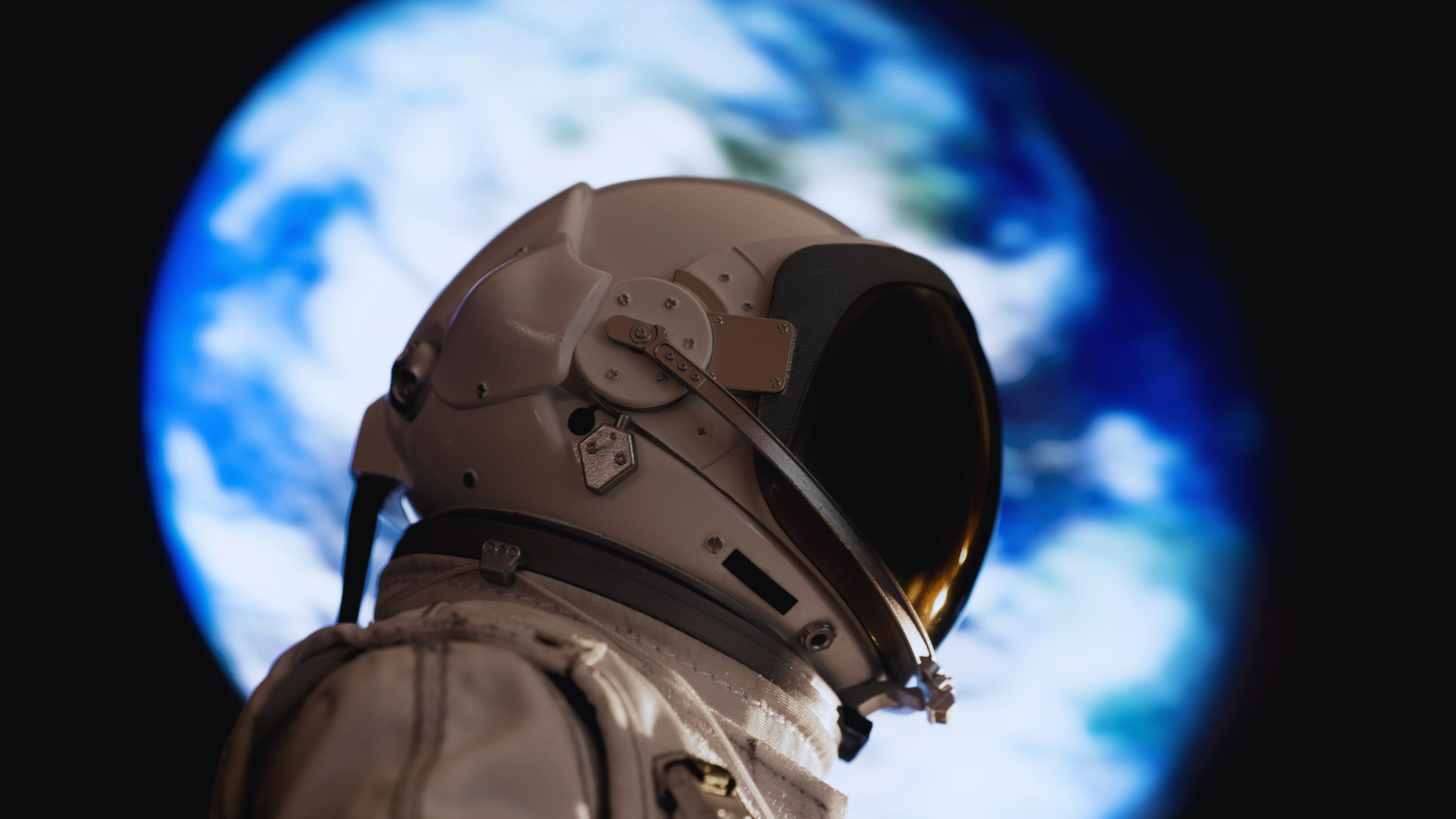
Becoming an astronaut is a dream for many, fueled by the allure of space exploration and scientific discovery. The pathway to this extraordinary career typically involves a strong educational background in science, engineering, or mathematics, along with relevant work experience and physical fitness. Aspiring astronauts must also develop skills in teamwork, leadership, and problem-solving, as these are essential in the high-pressure environment of space missions.
The journey requires commitment and resilience. Candidates often compete against thousands of hopefuls for a limited number of positions, making it critical to stand out with advanced degrees, professional experience, and unique skills. Additionally, gaining flight experience or working in challenging environments can significantly enhance their chances.
Understanding the requirements and preparation needed can make the process less daunting. Those who persevere and meet the qualifications open the door to a career where they can contribute to humanity’s understanding of the universe.
Understanding the Role of an Astronaut
The role of an astronaut involves various responsibilities, distinct types, and a unique work environment. Each aspect contributes to the complexity and excitement of this profession.
Responsibilities and Duties
Astronauts are responsible for conducting scientific research, operating spacecraft, and performing spacewalks. They must monitor systems, manage life support equipment, and troubleshoot problems in real-time.
Training is rigorous, involving simulations, physical conditioning, and technical skill enhancement. Astronauts often participate in experiments that contribute to understanding human life in space. Their duties also include collaborating with mission control and other crew members to ensure mission success.
Additionally, astronauts are required to document their findings and communicate results to scientists and engineers on Earth. Following a mission, they may engage in public outreach efforts, sharing their experiences to inspire future generations.
Types of Astronauts
There are several types of astronauts, each with specific functions. The main categories include:
- Pilot Astronauts: These individuals are trained to operate the spacecraft and navigate during missions. They often have extensive flying experience, typically as military pilots.
Mission Specialist Astronauts: They focus on specific mission tasks and scientific research. Mission specialists usually have backgrounds in engineering, science, or medicine. - Payload Specialists: These astronauts are experts in particular experiments or equipment. They might not be employees of the space agency but are selected for their unique skills or knowledge.
Understanding the type of astronaut helps in grasping the specialized training and expertise needed for each role.
Work Environment
The work environment for astronauts varies significantly from traditional occupations. They spend extended periods in microgravity aboard spacecraft or the International Space Station (ISS).
Spacecraft are equipped with specialized systems to support life, which requires strict adherence to protocols. Astronauts often work in teams, relying on communication and collaboration.
In addition to the psychological challenges of being away from Earth, they must also adapt to the physical demands of living in space. This includes managing stress, maintaining health, and conducting experiments in an unusual setting.
The work environment is not just about science; it also includes the experiences and challenges of space travel, contributing to the astronaut’s overall mission objectives.
Educational Requirements
Aspiring astronauts must meet rigorous educational standards. Specific degrees and preferred fields of study play crucial roles in preparing candidates for the demands of space missions.
Necessary Degrees
Most astronaut candidates hold at least a bachelor’s degree. Common degrees include:
- Engineering: Focused disciplines like aerospace, mechanical, or electrical engineering.
- Physical Science: Degrees in physics, chemistry, or astronomy are essential.
- Biological Science: Degrees in biology or life sciences support an understanding of living systems.
- Mathematics: A strong foundation in mathematics is critical for problem-solving and analysis.
Advanced degrees such as a master’s or doctorate can enhance opportunities. Many successful candidates possess a Ph.D., reflecting a deep understanding of complex scientific principles. NASA specifically seeks applicants with demonstrated expertise in their field.
Preferred Fields of Study
While NASA accepts a variety of degrees, certain fields are preferred. Candidates often benefit from backgrounds in:
- Aerospace Engineering: Essential for understanding spacecraft design and operation.
- Physics: Provides insights into the fundamental laws governing space travel.
- Computer Science: Important for managing onboard systems and data analysis.
- Medicine: Advanced medical training is vital for dealing with health issues in space.
Experience in research, technical skills, and leadership enhances a candidate’s profile. Participation in relevant projects or internships can further demonstrate capability and commitment to the field.
Physical and Medical Qualifications
Becoming an astronaut requires meeting rigorous physical and medical standards. These qualifications ensure that candidates can endure the unique challenges of space travel and perform essential tasks in a confined environment.
Fitness Standards
Candidates must demonstrate excellent physical fitness. This includes meeting specific requirements in strength, endurance, and agility. Common benchmarks include:
- Vision: Corrected vision must be 20/20.
- Height: Generally, candidates should be between 62 and 75 inches tall.
- Aerobic Capacity: Candidates are often required to complete running tests.
Strength assessments may cover exercises such as push-ups, sit-ups, and pull-ups. Additionally, candidates should train in activities that emulate the physical demands of space missions, such as resistance training and swimming.
Health Screenings
A comprehensive health screening is crucial for astronaut candidates. This includes evaluation of:
- Cardiovascular Health: Candidates undergo cardiac stress tests to assess heart function.
- Neurological Health: Evaluations for cognitive function and reflexes are mandatory.
- General Medical Exam: A thorough examination including blood tests, vision checks, and imaging studies.
Pre-existing conditions may disqualify candidates, so it is essential to disclose medical history. Overall, passing these screenings confirms that candidates are physically capable of operating under the stresses of space travel.
Gaining Relevant Experience
To become an astronaut, candidates must acquire specialized experience that enhances their skills and qualifications. Focus areas include piloting, engineering, and research, which are essential in space missions.
Pilot Experience
A significant aspect of becoming an astronaut is gaining pilot experience. Many astronauts are skilled pilots with military or civilian flight backgrounds.
To qualify, candidates often complete the following:
- Flight Training: A minimum of 1,000 hours of pilot-in-command time is typically required.
- Military Experience: Many astronauts have backgrounds in the military, especially in test pilot programs.
- Advanced Certifications: Additional qualifications like jet training and aerobatic experience can be beneficial.
Pilot experience not only sharpens decision-making skills but also helps in understanding complex aircraft systems.
Engineering and Technical Skills
Astronauts are expected to have strong engineering and technical skills. A degree in engineering, mathematics, or physical science is essential for most candidates.
Key areas of focus include:
- Problem-Solving: Having experience in troubleshooting technical problems during missions is crucial.
- System Knowledge: Familiarity with spacecraft systems, including navigation and life support, is highly beneficial.
- Software Proficiency: Knowledge in programming and systems operation aids astronauts in mission planning and execution.
Hands-on experience in engineering fields can significantly enhance a candidate’s application.
Research and Field Experience
Candidates should also seek research and field experience. This can include work in laboratories or on field missions related to space science.
Important elements include:
- Scientific Research Projects: Involvement in research that requires data collection and analysis.
- Field Missions: Experience working in remote or challenging environments mimics conditions in space.
- Collaboration and Communication: The ability to work effectively in multidisciplinary teams is vital.
Participating in relevant projects improves adaptability and teamwork skills.
Applying to an Astronaut Program
The application process for an astronaut program is rigorous and competitive. Candidates need to understand the steps involved and how to present themselves effectively to stand out.
Application Process Overview
The astronaut application process typically begins with a call for candidates from a space agency, such as NASA or ESA. Interested individuals must meet specific criteria related to education, experience, and health.
Eligibility Requirements:
- U.S. citizenship or relevant nationality
- Advanced degree (master’s or higher) in a STEM field
- At least 3 years of related professional experience or 1,000 hours of pilot-in-command time in jet aircraft
After meeting these requirements, candidates submit an online application, which includes a resume and personal statements. Qualified applicants are invited for interviews, medical evaluations, and background checks before the final selections.
Creating a Standout Application
To stand out in a large pool of applicants, candidates should focus on several key areas.
- Tailored Resume: Highlight relevant experiences that align with the program’s needs. Emphasize leadership roles, teamwork, and accomplishments in technical projects.
Compelling Personal Statement: Write a clear and engaging narrative. Describe motivations for becoming an astronaut, showcasing passion and dedication to space exploration. - Strong Recommendations: Secure letters from professionals who can vouch for the applicant’s skills and character. Ideally, these should be from individuals in the aerospace field or research settings.
By addressing these elements meticulously, candidates increase their chances of being noticed during the selection process.
Selection and Training
Becoming an astronaut requires meeting specific criteria set by a selection committee and undergoing rigorous training programs. The process involves multiple steps to ensure candidates are equipped for the demands of space missions.
The Selection Committee
The selection committee evaluates candidates based on a set of criteria that includes education, professional experience, physical fitness, and personal attributes. Applicants typically need a master’s degree in a relevant science, engineering, or mathematics field. A minimum of three years of relevant professional experience or at least 1,000 hours of pilot-in-command time in jet aircraft is often required.
The committee also assesses soft skills such as teamwork, communication, and leadership ability. Each application undergoes a thorough review, followed by interviews and evaluations to gauge candidates’ suitability. Only a small percentage of applicants advance to the next training phase.
Basic Training Curriculum
Candidates who are selected enter basic training, which usually lasts about two years. The curriculum includes a variety of subjects essential for space missions. Key components encompass flight training, survival training, and robotics.
Survival training prepares astronauts to handle emergency situations on land and at sea. Participants engage in simulations that reflect real-life scenarios. They also undergo training in basic spacecraft systems, such as navigation and communication.
Additionally, candidates learn about physics and biology as applicable to human spaceflight. This foundational knowledge is vital for understanding the mission’s operational aspects.
Advanced Training
Upon completing basic training, astronauts progress to advanced training tailored for specific missions. This phase often involves extensive simulations to mimic space conditions and spacecraft operations.
Astronauts become proficient in using the equipment and technology they will encounter during missions. This includes training on the International Space Station (ISS) systems and performing extravehicular activities (EVAs).
Moreover, advanced training includes understanding scientific experiments they may conduct while in space. Participants work closely with scientists to grasp the significance of their tasks. This comprehensive training ensures they are prepared for the complexities of space travel.
Specialization and Mission Preparation
Aspiring astronauts must develop specialized skills relevant to their missions and engage in extensive simulation training. These components are critical for success in the rigorous environment of space.
Developing Specialized Skills
To enhance their qualifications, candidates focus on specialized skills in fields such as engineering, piloting, biology, or medicine. A background in STEM (Science, Technology, Engineering, and Mathematics) disciplines is often beneficial.
Many astronauts hold advanced degrees or have significant professional experience in relevant sectors. Additional certifications, like scuba diving or flying, can be advantageous.
Key Skills Include:
- Technical Proficiency: Understanding spacecraft systems and operations.
- Problem-Solving: Ability to address unexpected challenges.
- Teamwork: Collaborating effectively with crew members under stress.
Simulation and Mock Missions
Training through simulations and mock missions prepares astronauts for the complexities of spaceflight. NASA and other space agencies utilize advanced simulators to replicate spacecraft environments, allowing candidates to practice scenarios they may encounter.
These exercises include both controlled conditions and emergency simulations, integrating problem-solving and teamwork.
Training Activities May Involve:
- Neutral Buoyancy Training: Practicing underwater to simulate microgravity.
- Mission Scenarios: Engaging in realistic situations that require quick decision-making.
Through this preparation, candidates build confidence and become adept at handling the challenges of space missions.
Career Advancement and Continuing Education
Career advancement for astronauts involves seizing leadership opportunities and pursuing ongoing education. Both aspects are crucial for individuals aiming to enhance their skills and standing within the field.
Leadership Opportunities
Astronauts often have the chance to step into leadership roles during missions and within their organizations. Participating in various training programs can help them develop essential skills, such as decision-making and team management.
Key Leadership Roles:
- Flight Director: Oversees missions, ensuring safety and success.
- Crew Commander: Leads the astronaut team, making critical mission decisions.
Engaging in these roles allows astronauts to gain valuable experience. This experience not only boosts their careers but also enhances their ability to handle complex situations in space.
Ongoing Learning and Certifications
Continuous education is vital for astronauts to stay on the cutting edge of technology and scientific knowledge. They should consider advanced degrees or specialized certifications in relevant fields.
Recommended Areas for Further Study:
- Astrophysics: Deepens understanding of space phenomena.
- Engineering Fields: Enhances technical problem-solving skills.
Participation in workshops and seminars also aids in knowledge retention. By staying current, astronauts can ensure they are well-prepared for advancements in space exploration.
Life After Astronaut Service
After serving as an astronaut, individuals often face unique challenges and opportunities. Many transitions to new careers or become advocates for space exploration, using their experiences to inspire future generations.
Transitioning to Other Careers
Former astronauts frequently pursue various career paths after their time in space. Many transition to roles in aerospace industries or governmental agencies, leveraging their technical skills and experience gained during missions.
Some may take up positions as educators, sharing their knowledge at universities or through guest lectures. Others might enter fields such as public speaking, consulting, or even media, where they can engage the public’s interest in space.
Prominent examples include astronauts like Chris Hadfield and Mark Kelly, who have successfully navigated these transitions, contributing to both the industry and society.
Contributions to Space Education and Advocacy
Former astronauts often play a significant role in space education and advocacy. They engage with students and educators through various programs, such as STEM initiatives, to promote interest in science and engineering.
Many astronauts work with organizations like the Astronauts Memorial Foundation, contributing to scholarship programs or public outreach.
By sharing their stories and insights, they help demystify space travel and inspire young people to pursue careers in aerospace and related fields. Events like public talks and school visits are common, enhancing public understanding of science and exploration.